

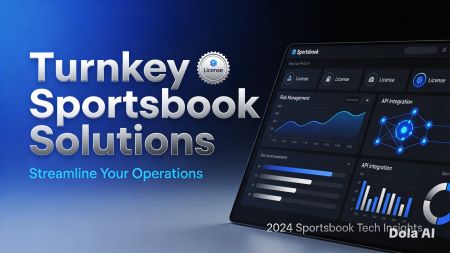

Choosing the right turnkey sportsbook solution provider is one of the most consequential decisions you’ll make as an operator. The market is crowded, the promises are bold, and the differences between providers often hide in the details. A poor choice can cost you time, money, and your competitive position before you’ve even acquired your first bettor. This guide breaks down every major evaluation factor, from platform features to pricing structures, so you can move forward with confidence and select a provider that genuinely fits your business goals.
What Makes a Turnkey Sportsbook Solution Worth Considering
Not every provider that labels itself “turnkey” delivers a truly ready-to-operate platform. Before you evaluate specific vendors, you need a clear picture of what separates a solution worth your attention from one that will create more problems than it solves.
A genuine turnkey sportsbook solution covers everything from the front-end player interface to the back-end odds management system, payment processing, and customer support infrastructure. The best turnkey sportsbook solution providers go even further by offering a pre-integrated suite of tools that reduces your time-to-market significantly. Time is money in iGaming, and a platform that requires six months of additional development before it can go live is not truly turnkey.
Beyond speed of deployment, consider the provider’s track record. How long have they operated? How many active brands run on their platform? References from existing clients carry far more weight than sales materials. Ask for case studies and, if possible, request direct conversations with current operators. A provider confident in their product won’t hesitate to connect you with references.
Licensing, Compliance, and Regulatory Track Record
Regulatory standing is one area where you absolutely cannot afford to cut corners. A sportsbook solution that isn’t built with compliance in mind will create legal exposure for your brand, no matter how polished the user interface looks.
Start by confirming which jurisdictions the provider’s platform is certified or approved to operate in. Licensing requirements vary widely across markets. A platform certified in one region may require significant modification to legally operate in another. If you have a specific target market, verify that the provider has direct experience with that regulator, not just a vague claim of global compatibility.
Responsible gambling tools are another non-negotiable area. Modern regulators expect operators to offer deposit limits, self-exclusion options, and reality checks as standard features. Confirm these tools come built into the platform, not as costly add-ons. Plus, ask the provider how they handle regulatory updates. Compliance requirements evolve constantly, and you need a partner who monitors changes and adapts the platform accordingly without placing that burden entirely on your shoulders.
Core Platform Features and Technical Capabilities
A sportsbook lives or dies by its platform performance. Your players will not tolerate a slow, buggy experience, especially during high-traffic moments like major sporting events or live in-play betting.
Sports Coverage, Betting Markets, and Risk Management Tools
Evaluate how many sports and markets the provider supports. Breadth matters, but depth matters just as much. A provider might list 30 sports but offer only basic match-result markets for most of them. Look for comprehensive pre-match and in-play coverage across your target sports, along with player props and special markets that keep bettors engaged beyond the main events.
Risk management deserves equal attention. Ask about the provider’s liability management tools, automated alerts, and manual override capabilities. A strong sportsbook platform gives you full visibility into your exposure and lets you adjust limits or suspend markets in real time. Also consider the quality of the odds feed. Do they source from multiple providers? Is the feed fast enough for competitive in-play pricing? These are the technical questions that separate average platforms from genuinely capable ones.
On the infrastructure side, confirm uptime guarantees and review how the platform handles traffic spikes. Look for specifics in the service level agreement, not just general assurances. Scalable architecture and proven load-handling should be documented, not just described.
Customization, Scalability, and Third-Party Integrations
Your brand needs to stand out. A platform that locks you into a rigid template with minimal flexibility will limit your ability to differentiate from competitors who may be running on the same infrastructure.
Ask the provider how much control you have over the front-end design, user flows, and promotional mechanics. Can you modify layouts without waiting weeks for development support? Do they offer a content management system that lets your team make changes independently? Operators who can move quickly on promotions and UX improvements hold a meaningful advantage.
Scalability is equally important, especially if you plan to expand into new markets or product verticals over time. Confirm that the platform can handle growing player volumes without requiring a full rebuild. Plus, evaluate the provider’s ecosystem of third-party integrations. Payment gateways, affiliate management tools, CRM systems, and KYC providers should connect via documented APIs, not a closed, proprietary system that creates dependencies and slows you down. The more open the integration environment, the more control you retain over your operational stack.
Pricing Models, Contract Terms, and Total Cost of Ownership
The sticker price of a turnkey sportsbook solution rarely reflects the true cost you’ll pay over time. Understanding the full financial picture before you sign any agreement is non-negotiable.
Most providers charge under one of three models: a flat monthly fee, a revenue-share arrangement, or a hybrid of both. Each model carries different risk profiles. A flat fee gives you cost predictability but may feel expensive in your early months before revenue scales. Revenue share reduces your upfront burden but takes a percentage of your earnings indefinitely, which can become costly as your operation grows.
Beyond the base pricing, scrutinize every line item. Setup fees, API connection charges, additional market fees, and support-tier costs can add up to a total far above your initial estimate. Request a full cost breakdown and model it against your projected revenue at multiple growth stages. Also, review contract length and exit terms carefully. Long lock-in periods with heavy exit penalties reduce your flexibility. You want a provider that earns your continued business through performance, not through contractual obligation. Negotiate terms that align renewal incentives with your experience on the platform.
Conclusion
Evaluating a turnkey sportsbook solution provider takes time, but it’s time well spent. Focus on regulatory credibility, platform depth, integration flexibility, and total cost transparency. Ask hard questions, request references, and model your costs honestly before you commit. The right provider becomes a long-term operational partner, not just a software vendor. Choose with that standard in mind, and you’ll build on a foundation strong enough to support real, sustained growth.