


Betting predictions are everywhere now. Football pages publish them, podcasts spend half an hour on them, social accounts post “best picks” before breakfast, and friends send screenshots of bets they are convinced cannot miss. Most of those predictions are forgotten as soon as the match is over. The useful ones are different. They leave enough reasoning behind that you can go back later and see whether the idea made sense, even if the result did not. That distinction is more important than whether somebody correctly called one weekend.
A prediction needs more than a team name
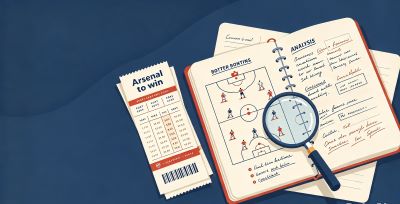
“Arsenal to win” is a selection. It is not much of a prediction. The interesting part is the explanation behind it. Maybe the opponent has struggled badly defending wide areas and Arsenal are expected to start with two aggressive wingers. Perhaps the midfield matchup looks particularly favourable. Maybe the other team played 120 minutes in a cup match three days earlier. Now there is something to test. If Arsenal win for completely different reasons, the result was right but the original thinking may not have been. If they lose despite creating the sort of chances expected beforehand, the prediction was wrong on paper but not necessarily foolish. This is why good betting analysis should survive longer than the final score.
The app is useful after the prediction, not before it
It is easy to do this backwards. Open the Betway app, see a long list of matches and start looking for something to bet on. A much better habit is to form the prediction first. What sort of game are you expecting? Which side should control possession? Is there a player likely to get more chances than usual? Does the match look more interesting for goals than for the outright winner? Only then does the market become useful. The Betway app can show the available odds, player markets and live options, but it should not be doing the thinking for you. The market is there to compare with the prediction you already made. Sometimes the price agrees with you. Sometimes it tells you that your “obvious” idea is already being valued very highly.
Predictions change when the information changes
One of the better reasons to use an app is that predictions do not have to be frozen all day. A football opinion made in the morning can look different when the lineup appears. A cricket prediction can shift after the toss. A tennis player carrying a minor injury may look completely different during the warmup or first set. Changing your view is not a sign that the original prediction was useless. It is what should happen when better information arrives. The mistake is becoming attached to a pick simply because you made it early.
Keep the bad predictions too
People are very good at remembering the weekend they called three matches correctly and much worse at remembering the six bad reads that came before it. Keeping a short note helps. Write down what you expected and why. Nothing elaborate. A couple of sentences is enough. After the match, go back and see what held up. Over time, the useful pattern is not “how often was I right?” It is where your predictions tend to be strongest. Maybe you understand one league unusually well. Perhaps player markets make more sense to you than match winners. Maybe you keep getting attracted to famous teams without really knowing what condition they are in. That is where predictions become genuinely useful. Not because they tell you the future, but because they show you how you were thinking before the future arrived.